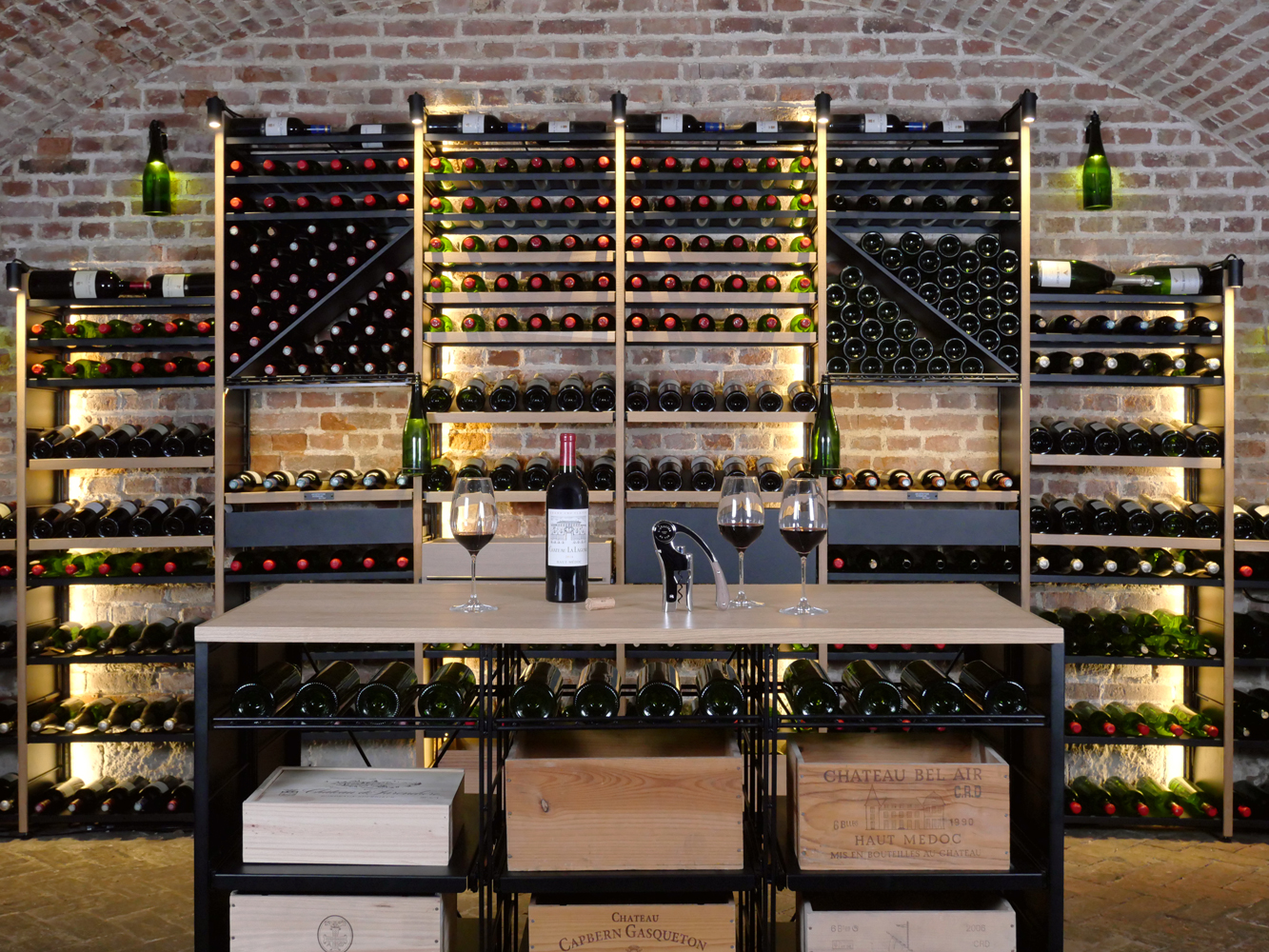
The Art of the Wine Cellar: A Temple Dedicated to the Memory of Wine
Since the dawn of civilization, wine has stood as much more than just a beverage. It is a cultural marker, a universal language that transcends ages and borders. The art of the wine cellar is not merely about storage—it is a tribute to this millennia-old heritage, a space where the transmission of intangible legacy unfolds.
At the Origins of Wine and Its Sanctuary
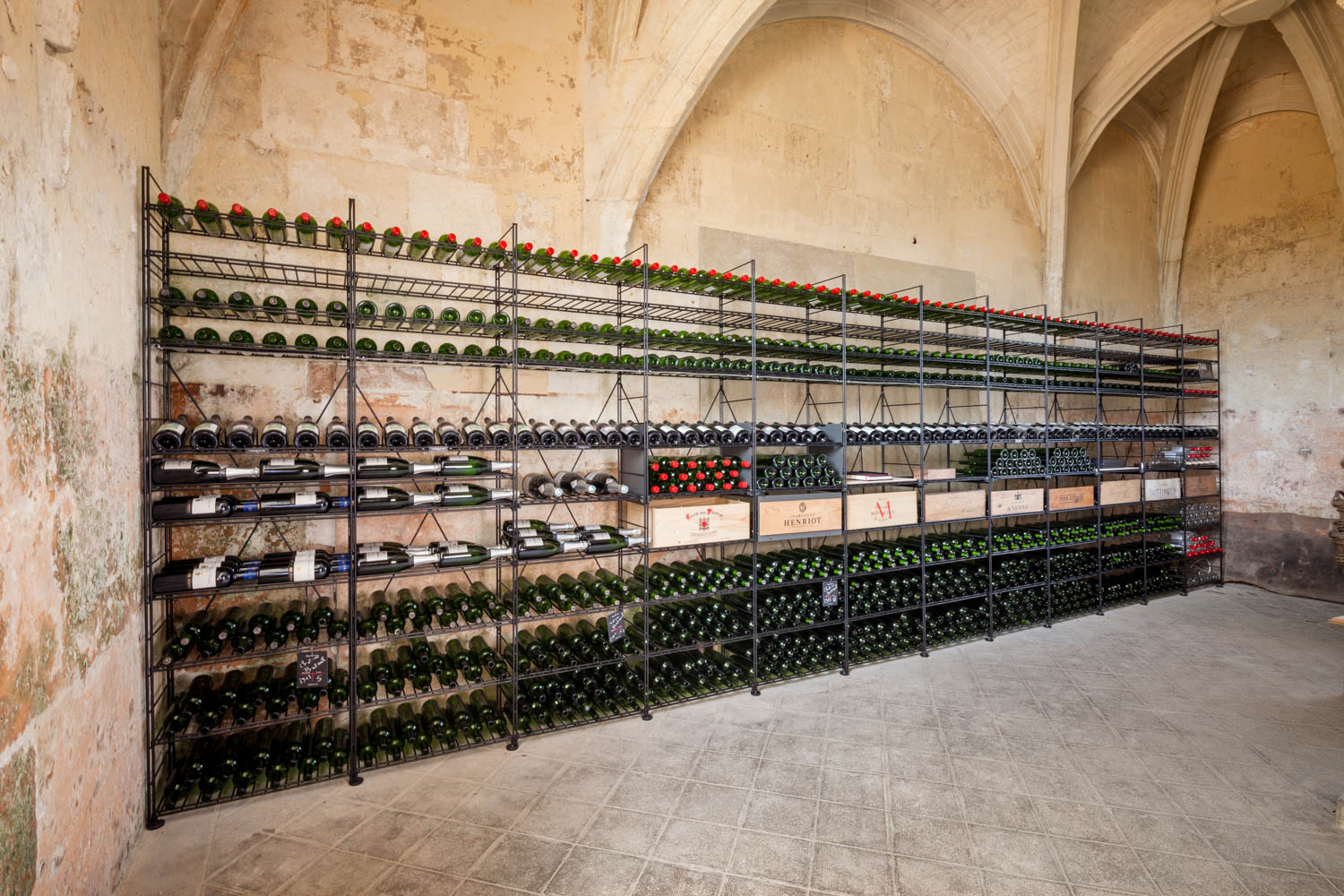
The word “cellar” stems from the Latin cavus, meaning “hollow”—a subterranean space that, since Antiquity, became the preferred place to store precious goods, including wine. The earliest traces of winemaking date back over 8,000 years to the regions of Georgia and Armenia, where clay amphorae were the first vessels for this sacred nectar. In Egypt, wine was offered to the gods; in Greece, it animated the symposia—philosophical banquets where speech soared in step with the wine poured.
The Romans refined the art of storage, using underground cellars to maintain freshness and encourage aging. The cellar then became more than a utilitarian space—it took on an almost sacred aura, a place where time stands still, and where each bottle awaits its moment of awakening. During the Middle Ages, as monasteries flourished, wine assumed a central role in both religious culture and gastronomy, prompting the development of ever more sophisticated conservation spaces.
Wine: A Symbolic and Universal Drink
Wherever it has taken root, wine has carried meaning. A symbol of the divine in Judeo-Christian traditions, it becomes the blood of Christ in the Eucharist, and a key element in both religious and pagan celebrations. Through the centuries, it has sealed alliances, celebrated victories, and accompanied artists and thinkers.
Tasting wine is never trivial. It engages more than the palate—it calls upon memory, conviviality, emotion. Each sip carries the imprint of a terroir, a year, a savoir-faire. It is to preserve this richness that humans have built cellars worthy of true temples of wine.
The Wine Cellar: A Sanctuary Expressing an Art of Living
In France, the country of wine par excellence, the art of the wine cellar has become a discipline in its own right. From Burgundy to Bordeaux, from Champagne houses to the tuffeau-dug caves of the Loire Valley, each region has developed its own way of honoring and preserving its finest vintages. This deeply French tradition, rooted in unique craftsmanship, has shaped iconic cellars where wine rests under ideal conditions.
Today, designing a cellar is a practice where technique meets aesthetics. Humidity control, temperature regulation, and light exposure are managed with precision. But beyond these technical considerations, the cellar is also a stage. It embodies a relationship with wine that goes beyond drinking—it celebrates time, transmission between generations, and a kind of quiet contemplation of wine in its repose, awaiting its peak.
Architecture Intérieure du Vin designs cellars that embody this art of living. Our solutions combine optimal preservation with refined design, integrating noble materials, custom-made storage, and carefully studied lighting. We transform each cellar into a true sanctuary of wine, where every bottle finds its place in a setting designed to elevate its story.
The Key Elements of a Successful Cellar
In this spirit, modern cellars—whether for private or professional use—embrace sophisticated design. Noble materials, subtle lighting, and bespoke layouts all contribute to creating a space where wine is magnified, much like great libraries dedicated to knowledge.
Architecture Intérieure du Vin masters these requirements to create cellars that are both functional and elegant:
- Optimal condition management: controlled humidity, stabilized temperature, adapted ventilation
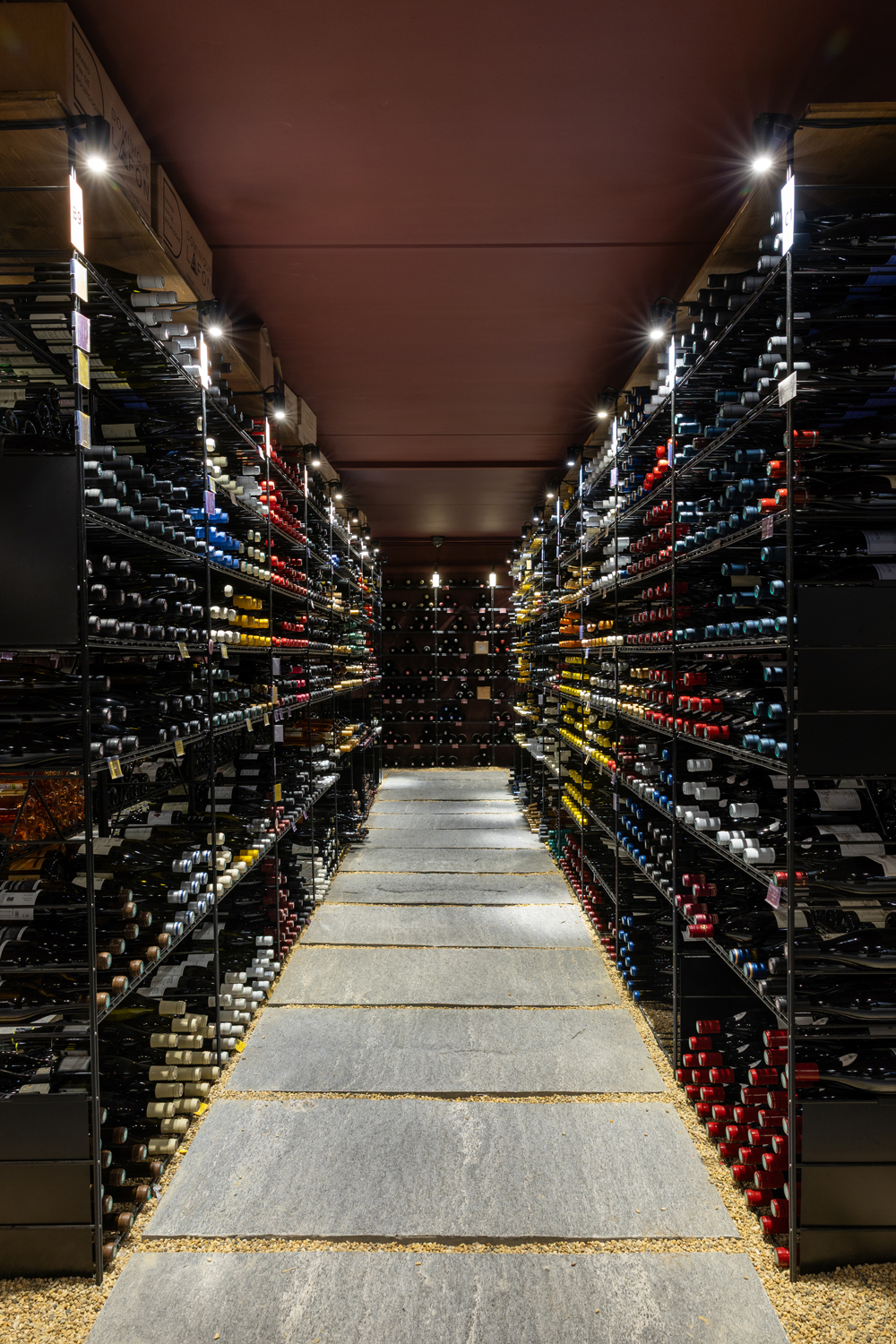
- Tailored layouts: furniture and supports adapted to different bottle formats, space optimization
- Aesthetic enhancement: discreet yet effective lighting, display of the finest bottles in the collection
- Architectural harmony: seamless integration into modern or traditional spaces
A Ritual That Transcends Time
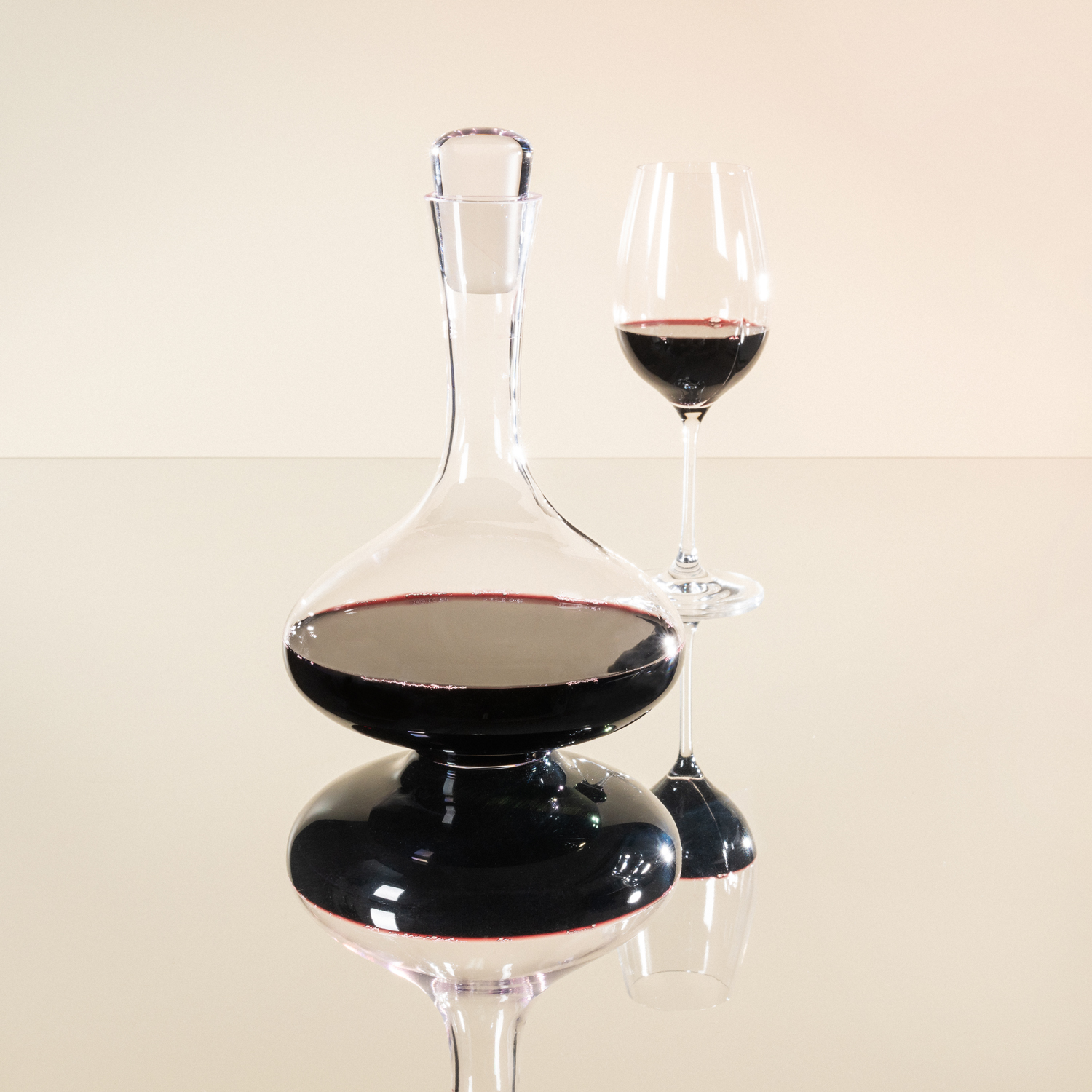
Opening a bottle that has aged in one’s cellar is an act imbued with almost sacred ritual. It reawakens sensory memory—a journey through time where patience meets pleasure. This rite, passed down over the centuries, reminds us that wine is as much an art of living as it is an art of preservation.
In France, this connection between wine, culture, and history is more than a tradition—it is an identity, a way of inhabiting the world by allowing time to do its work. The wine cellar, in this heritage, is not merely storage—it is a temple, where each bottle is a living relic, carrying with it a piece of history and a fragment of dream.
To honor the art of the wine cellar is to extend this memory and uphold the reverence for wine, its mystery, and its poetry. Architecture Intérieure du Vin is dedicated to magnifying this heritage by creating exceptional spaces, designed to celebrate wine and enrich the experience of its devoted enthusiasts.
And perhaps, at its core, this is the true luxury of wine—not its rarity or market value, but the way it weaves itself into our lives, our stories, and our spaces, with the nobility it rightfully deserves.